

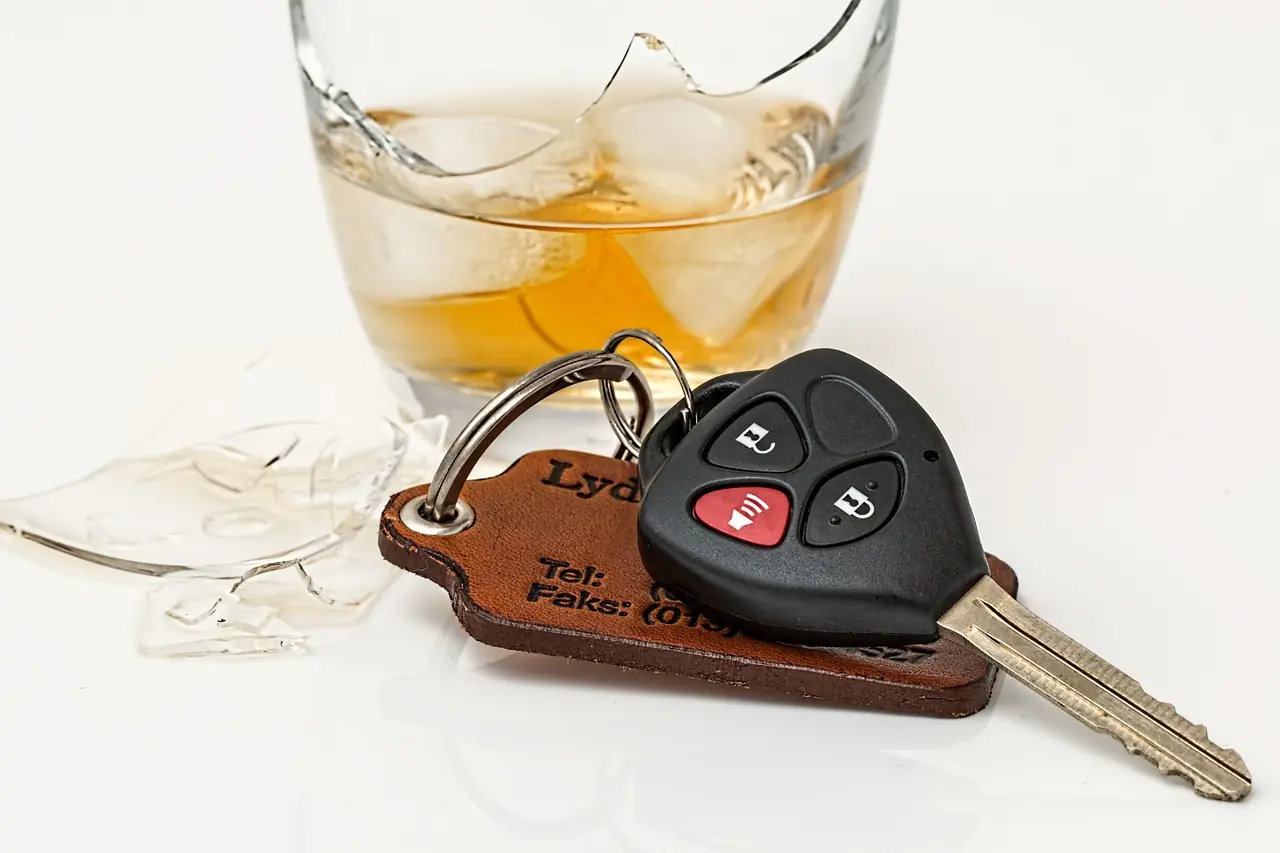
What Michigan Calls "Drunk Driving"
Michigan's drunk driving statute, MCL 257.625, covers several offenses: Operating While Intoxicated (OWI), including driving with a bodily alcohol content of 0.08 or more; the "High BAC" (super drunk) offense for a BAC of 0.17 or more; Operating While Visibly Impaired (OWVI); operating with any amount of a Schedule 1 controlled substance or cocaine in the body; and the "zero tolerance" offense for drivers under 21 with a BAC of 0.02 or more.
Penalties Under MCL 257.625
- First offense OWI: misdemeanor; up to 93 days in jail, a $100–$500 fine, up to 360 hours of community service, 6 points, and a license suspension.
- High BAC (0.17+): misdemeanor; up to 180 days in jail, a $200–$700 fine, and a one-year license suspension, with possible restricted driving using an ignition interlock after the first 45 days.
- Second offense within 7 years: misdemeanor; 5 days to 1 year in jail, a $200–$1,000 fine, and license revocation.
- Third offense (lifetime): felony; 1 to 5 years in prison (or probation with 30 days to 1 year in jail), a $500–$5,000 fine, and license revocation.
Refusing a chemical test after arrest triggers a separate implied-consent suspension under MCL 257.625f, which must be challenged quickly with the Secretary of State.
Challenging the Evidence
Every OWI case turns on details: whether the traffic stop was lawful, how field sobriety tests were administered, whether the evidentiary breath-testing instrument was properly maintained and operated, and how blood samples were collected and analyzed. We review the video, the reports, and the testing records to find the weaknesses that matter.
Protecting Your License and Your Livelihood
For many clients, including commercial drivers, the driver's license consequences are as serious as the criminal case. We work to protect both, including pursuing outcomes such as reductions to non-alcohol-related offenses when the facts support it.